Office Clearance in Hainault
We provide office clearance in Hainault for businesses that need a practical way to clear desks, chairs, filing cabinets, IT equipment and mixed workplace items. The service is designed around orderly removal, careful sorting and sensible handling of reusable, recyclable and general waste so the space can be handed back, reconfigured or prepared for its next use without unnecessary disruption.
Whether you are clearing a single room, a suite of rooms or a larger commercial floor, our work focuses on removing office contents in a controlled way. That can include furniture, archive material, small electrical items and everyday fixtures that have reached the end of their use. We aim to keep the process straightforward by separating items where possible and making sure the clearances are organised around the layout and access of the premises.
If you are planning a clearance in Hainault, it helps to decide what must stay, what can go, and whether any items need to be kept aside for reuse or collection by a third party. A short written list is useful, and photos can help when a room contains a varied mix of office furniture and stored materials. You can also request a quotation once the scope is clear.
Commercial office clearance options
Office clearance is rarely limited to one type of item. Many workplaces build up a mixture of furniture, archives, packaging, screens, accessories and broken equipment, and each category needs to be handled with care. A tidy clearance plan helps avoid overlooking smaller pieces that may still have value or require separate handling. It also makes it easier to keep the space usable during a staged removal if the work must happen in phases.
We can assist with clearances that involve general office contents, workstations and assorted items from storage areas or side rooms. In practice, that means the removal of objects that are ready to leave the premises as well as sorting items that may be suitable for re-use, repurposing or recycling. If the clearance is part of a move, refurbishment or end-of-lease handover, the work can be structured so that the most awkward items are removed first and the remaining furniture follows in a planned sequence.
What is commonly included
The exact contents vary from one office to another, but a typical job may involve a combination of the following:
- desks, pedestals and office chairs
- cabinets, shelving and reception furniture
- archive boxes, paperwork and stored materials
- computers, monitors and smaller electrical items
- miscellaneous items from kitchens, break areas or storage cupboards
Furniture, equipment and interior fittings
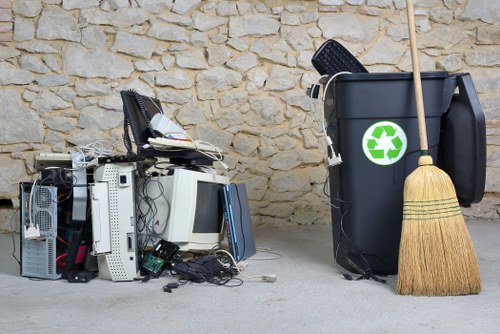
Many office clearances are driven by furniture and equipment rather than by rubbish alone. Desks, meeting tables, filing units and seating often need to be removed with enough care to protect walls, floors and doorways. Larger items may need dismantling before they can be taken out, especially where corridors are narrow or the furniture was originally installed in a fixed arrangement. That is one reason an office clearance benefits from a methodical approach rather than a rushed collection.
We also deal with everyday office equipment and interior fittings where they are part of the clearance scope. This can include items such as shelving, notice boards, small appliances and assorted fixtures that have become redundant. If the room still contains working items that are to remain on site, those can be left in place while the clearance focuses only on the agreed contents. The result is a cleaner transition for the business and a better chance of preserving anything with ongoing use.
Tip: if several teams use the same building, it can help to mark what is shared, what belongs to one department and what is to be removed entirely. That simple separation reduces confusion when the clearance begins and helps keep the process efficient from the first load to the last.
Archives, paperwork and mixed office contents
Not every office clearance is dominated by furniture. Many premises also contain archived files, boxed paperwork and mixed stored items that have accumulated over time. These objects need a more careful assessment because some may still be required for records, compliance or internal reference. Others may be ready to leave the building but need to be grouped in a sensible way before removal. We work with that kind of variety in mind, keeping the clearance organised around the agreed scope.
When a room includes loose paperwork or long-retained archive material, the safest approach is usually to sort before lifting. That makes it easier to separate items for retention from items that are to be cleared. It also helps avoid unnecessary handling of documents that should remain confidential or that the business still needs. For many customers, the most useful outcome is not only an empty room but a workspace that has been cleared in an ordered, understandable sequence.
If you are preparing an office clearance in Hainault, a compact list of areas can be enough to start the quotation process. A note of the rooms involved, the main item types and any access restrictions gives a clearer basis for planning. You do not need to over-prepare; a practical summary is usually enough for us to understand the likely scale of the work and advise on the next step.
Planning access and keeping the clearance orderly

Access is often the difference between a smooth clearance and one that becomes awkward halfway through. Offices may have lifts, shared entrances, coded doors, busy reception areas or restricted parking, and each of these affects how items are moved. Good planning helps the work flow without causing avoidable delays. It also matters where furniture must pass through narrow corridors, stairwells or parts of the building that remain in use by staff or other tenants.
Where needed, we can work around the building layout and the sequence in which rooms need to be emptied. Some businesses want the most visible public areas cleared first, while others prefer back offices and storage rooms to be dealt with before the main workspace. That kind of order can make a real difference when a handover deadline is approaching or when a refurbishment is about to begin. The aim is to keep the job controlled and predictable.
For straightforward enquiries, a few details are especially useful: what type of office it is, which floors or rooms are involved, and whether anything needs to be retained on site. Once the scope is clear, a quotation can be prepared on that basis. If the contents are varied, photographs can help provide a more accurate picture of the items and the access conditions.
Disposal, recycling and responsible sorting
An office clearance usually produces more than one waste stream. Furniture, metal frames, plastics, cardboard, mixed materials and electrical items can each require different handling, so separating items where possible is important. A sensible clearance is not only about making a room empty; it is also about dealing with contents in a way that suits the type of material involved. That is especially relevant where a business wants the removal to be as orderly as the office itself.
We place emphasis on sorting items for the appropriate next step, whether that means re-use, recycling or disposal. The exact route depends on the item type and condition, and not every object is suitable for the same process. Some items are clearly ready to be removed as mixed office waste, while others may be better handled separately because they are larger, more durable or more suitable for material recovery. The best result comes from matching the handling method to the contents rather than treating every item as identical.
For businesses deciding how much to clear at one time, it is often useful to think in zones. One room may contain old furniture, another may hold archives and a third may contain packing waste or redundant IT kit. Clear labels and simple grouping can make the work faster to organise and easier to quote accurately.
About Hainault

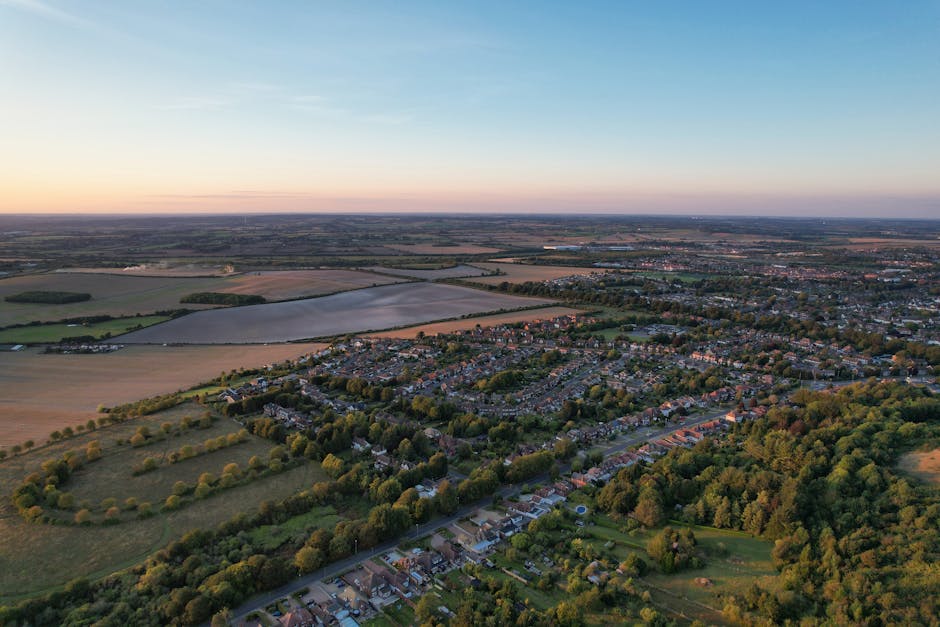
Hainault is a district in northeast London closely associated with the historic Hainault Forest, a former royal hunting forest whose wooded character helped shape the area’s identity over many centuries. The modern district sits largely within the London Borough of Redbridge, with parts extending towards neighbouring borough boundaries, and it is served by Hainault station on the Central line. The station area gives the place a strong transport link, while the surrounding streets mix post-war residential development with older traces of the once-rural landscape. Hainault Forest Country Park preserves an important fragment of that wider historic setting and offers walking paths, open space and a reminder of the area’s long relationship with woodland and common land. Nearby, Fairlop Waters provides another well-known green and recreational landscape within the wider locality, with lakes, paths and open areas that contrast with the built-up streets around them. Local roads and estates reflect the mid-20th-century growth of outer east London, when housing expanded outward from the earlier village and forest edge. As a place name, Hainault is therefore associated both with its transport connections and with the older landscape history that still survives in parkland, tree cover and the pattern of development around the district.
Clearances for changing premises
Office spaces change for many reasons. A business may be reducing the amount of space it uses, moving to a new address, reshaping its layout or dealing with a tenancy that must be left in good order. In each case, the clearance needs to reflect the state of the premises at the end of the process. That can mean removing loose items first, then larger furniture, and finally any mixed materials left in cupboards, corners or under desks. A clear sequence makes the work easier to follow.
We can support office clearances that are part of a wider changeover, including rooms that have been left partly furnished, storage areas that contain a mixture of useful and redundant items, and workspaces that need to be stripped back for refurbishment. Some customers only need certain items removed, while others want the premises cleared in full. The important point is that the job is organised around what is actually present, not around a fixed template that may not suit the site.
If you are comparing different ways of clearing a workplace, think about the finished state you need. You may want a bare room, a room with selected furniture retained, or a staged clearance carried out over more than one visit. Choose the scope before the work starts and it becomes much easier to keep the process aligned with your timetable.
Business waste alongside office contents
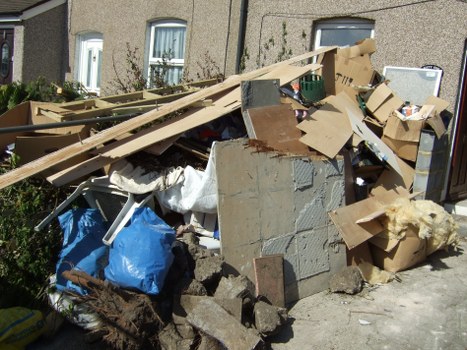
Some jobs are mainly office clearances, while others include broader business waste removal from the same premises. That can involve general items from storage rooms, packaging from deliveries, redundant fixtures from a staff area or materials left over from a small refit. Where the contents are mixed, it makes sense to assess them together so that the removal is organised in the most practical sequence. The goal is to clear what has been agreed without creating confusion about what should remain.
Because offices often contain a mixture of office furniture and general business waste, the scope should be set clearly from the start. That helps avoid uncertainty around fixtures, stored stock, old display items or leftover materials in communal areas. If your premises have more than one type of room, a simple room-by-room note can help identify what belongs in the clearance and what should stay. Once the items are identified, the removal can be handled in a tidy and efficient way.
For a quotation, start with the rooms to be cleared, the main item types and any access issues such as stairs, lifts or parking limits. If you are ready to move forward, contact us to request a quotation and discuss the office clearance in Hainault.
Understanding the main factors that shape a quotation
Office clearance quotations usually depend on the amount and type of contents, the ease of access, and whether the work includes items that need special handling. A room full of lightweight general furniture is not the same as a suite with heavy filing cabinets, archive storage and mixed equipment. The more varied the contents, the more useful it is to describe them clearly at the outset. That allows the quotation to reflect the actual work rather than a rough guess.
It is also worth thinking about the timing and sequence of the clearance. Some premises can be cleared in a single visit, while others are better handled in stages because of the layout or the way the business still uses the space. Where a job involves more than one area, the order can affect how efficient the work is. By setting out the scope early, you make it easier to receive a quotation that matches the practical requirements of the site.
Useful details for the quote are the type of office, the floors or rooms involved, the main contents and anything that needs to be left behind. If that information is ready, the next step is simple: send the details and ask for the quotation you need.
Preparing the premises for removal
Good preparation does not need to be complicated. In many offices, the most helpful step is simply deciding which areas are to be cleared and making sure those spaces are accessible. If some items are being retained, it helps to separate them before the clearance begins. That way, the work can focus on the agreed contents without uncertainty. Preparation is especially useful when a room contains both loose items and fixed furniture, because the clearer the boundary, the easier the removal.
Businesses sometimes ask whether they need to sort every item in advance. Usually the answer is no, although a little organisation does help. A marked room, a short note on what stays, and a clear path to the items all make the process easier. Where paperwork or archived items are involved, it may be wise to set them aside before the main clearance so that important documents are not mixed with general contents. This is a practical step rather than a formal requirement.
Once the scope is agreed, the work can be planned around your timetable and access conditions. If you would like to progress the matter, a brief enquiry is enough to begin the quotation process and move the office clearance forward.