IG6 disposal fines explained for Hainault residents
If you live in Hainault and have ever left an old sofa by the kerb, put builder's rubble in the wrong bin, or handed waste to the wrong person, you may already know how quickly a small disposal mistake can become an expensive headache. This guide to IG6 disposal fines explained for Hainault residents breaks the issue down in plain English: what usually triggers fines, why the rules matter, how to stay on the right side of them, and what to do if you are clearing a home, garden, garage, loft, or workplace. Let's face it, nobody wants a letter, a penalty, or that awkward moment where a pile of "just temporary" rubbish turns into a real problem.
We will also cover practical ways to reduce risk, what "responsible disposal" actually looks like in day-to-day life, and when a professional clearance service can save time, stress, and sometimes money. Not glamorous, sure. Useful? Absolutely.
Table of Contents
- Why IG6 disposal fines explained for Hainault residents Matters
- How IG6 disposal fines explained for Hainault residents Works
- Key Benefits and Practical Advantages
- Who This Is For and When It Makes Sense
- Step-by-Step Guidance
- Expert Tips for Better Results
- Common Mistakes to Avoid
- Tools, Resources and Recommendations
- Law, Compliance, Standards, or Best Practice
- Options, Methods, or Comparison Table
- Case Study or Real-World Example
- Practical Checklist
- Conclusion
- Frequently Asked Questions
Why IG6 disposal fines explained for Hainault residents Matters
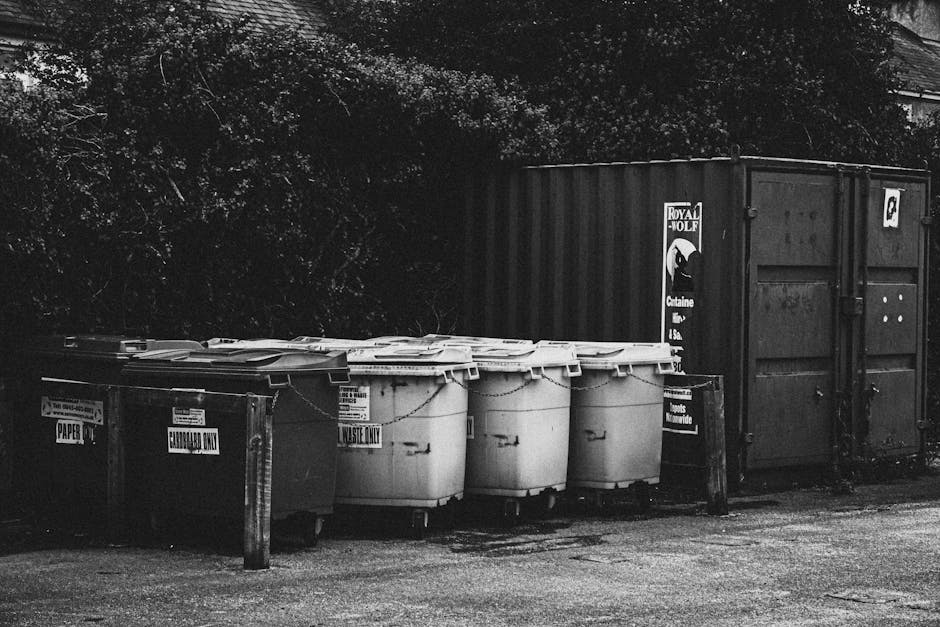
Disposal fines are not just a "city centre" problem. In residential areas like Hainault, the risk often comes from ordinary situations: a house move, a spring clear-out, a renovation, or a quick attempt to get rid of bulky waste before work on Monday. A few bags left beside a communal bin, a mattress dumped next to a wall, or construction waste abandoned on a pavement can be seen as fly-tipping or improper waste disposal. That is where fines, investigation, and a fair bit of stress can follow.
What makes this topic matter is not only the possible penalty. It is the knock-on effect. Fly-tipped waste can attract more dumping, block access, create smell and vermin issues, and damage the feel of a street. In the early evening, when people are just getting home and hearing skips clank or bin lids bang, waste left out carelessly stands out a mile. Your neighbours notice. So do enforcement teams and property managers.
There is another side to it too. Many residents assume that if they paid someone to remove rubbish, they are fully protected. That is not always the case. If a collector is not legitimate, or if waste is handed over without proper checks, the original householder can still end up dealing with questions later. Truth be told, that is the part most people miss.
Key takeaway: The safest approach is simple: know what counts as lawful disposal, keep records when needed, and use a proper waste carrier for anything beyond normal household bins.
How IG6 disposal fines explained for Hainault residents Works
In practice, disposal fines usually happen after waste is seen, reported, or traced back to a person or address. This can start with something as ordinary as an overflowing pile beside shared bins. If the waste is clearly linked to a household, business, or vehicle, officers may investigate. If a contractor dumped your waste improperly, that can become a different conversation altogether.
The process often follows a rough sequence:
- Waste is found or reported. This could be on a pavement, verge, car park, alleyway, or communal area.
- Evidence is reviewed. Labels, receipts, packaging, delivery notes, vehicle details, and CCTV may all matter.
- Responsibility is assessed. Sometimes the person who dumped the waste is obvious. Sometimes it is not.
- An enforcement action follows. That may be a warning, fixed penalty, request for information, or a more formal case depending on the circumstances.
The important thing is that waste law is often about control, not just physical possession. If you arranged disposal badly, left waste somewhere it should not be, or failed to check who took it, the problem can come back to you. Not always, but often enough that caution is worth it.
For residents clearing a house, garage, or loft, the safest route is to separate reusable items, identify true waste, and arrange a proper removal method. Services like home clearance, house clearance, loft clearance, and garage clearance can help keep everything tidy and traceable, especially when the amount is too much for normal bin collection.
Key Benefits and Practical Advantages
Staying on top of disposal rules does more than help you avoid a penalty. It makes the whole clearing process calmer, cleaner, and less rushed. And honestly, rush is where mistakes are born.
- Lower risk of fines: The obvious one, but still the most important.
- Less chance of fly-tipping allegations: If waste is collected and documented properly, you are in a stronger position.
- Better neighbour relations: No one wants to be "that house" with a soggy sofa out front for three days.
- Cleaner property handovers: Useful when moving, renting, or selling.
- Safer working spaces: Loose waste, broken furniture, and old building material can become trip hazards fast.
- More efficient sorting: Recyclables, reusable items, and true waste can be separated correctly.
There is also a subtle benefit people do not talk about enough: peace of mind. When waste has been removed properly, you are not checking the window every hour wondering whether somebody has complained. Small thing. Big relief.
If your disposal project is tied to wider clearance work, it can help to compare options with the waste removal service and the company's recycling and sustainability approach. That way you are not just getting things gone; you are understanding where they are likely to go next.
Who This Is For and When It Makes Sense
This topic matters to a pretty wide group of Hainault residents, not just people dealing with obvious mess. You may need this guidance if you are:
- moving out of a flat and need to clear furniture quickly;
- renovating a kitchen or bathroom and have builder's waste;
- emptying a garage full of broken tools, packaging, and forgotten odds and ends;
- sorting a loft after years of storage buildup;
- disposing of old office items from a home business;
- managing a rental property or preparing for new tenants;
- trying to avoid the risk of improper disposal when a skip is not practical.
It also makes sense if you are not sure whether something counts as household rubbish, bulky waste, or something requiring a specialist collection. That uncertainty is normal. People do not wake up knowing how to classify a dismantled wardrobe, half a pallet of tiles, and three bags of mixed waste. Life is messier than that.
For larger clear-outs, the practical choice is often to use a service that matches the waste type. For example, furniture disposal is a better fit for worn-out sofas and beds, while builders waste clearance is more suitable for rubble, plasterboard, timber offcuts, and packaging from a renovation.
Step-by-Step Guidance
If you want to avoid disposal fines, the simplest approach is methodical. Nothing fancy. Just a few sensible steps.
- Identify what you need to remove. Separate furniture, electrical items, garden waste, builders debris, and general rubbish.
- Decide what can be reused or donated. If something is still in decent condition, do not treat it as waste too quickly.
- Check whether your local bin system can handle it. Normal council collections are not designed for everything, and forcing the issue is where trouble starts.
- Choose a lawful disposal route. This may be a licensed carrier, a special collection, or another approved service.
- Keep the area tidy while waiting. Do not leave items on the pavement or in shared spaces.
- Ask for proof of collection where appropriate. A receipt, invoice, or job confirmation can be useful later.
- Follow up on special waste streams. Batteries, paint, old appliances, and certain construction materials may need extra care.
If the task is bigger than you first thought, step back and reassess. That half-empty shed can become a very full van once you start moving things. It happens all the time.
For a more organised project, many residents find it helpful to plan clearance by room or zone. A combined approach such as flat clearance or furniture clearance can be more efficient than trying to tackle one random item at a time.
Expert Tips for Better Results
After enough clearances, a few patterns become obvious. The people who avoid problems usually do three things well: they sort early, they ask questions, and they do not assume every collector is legitimate. Simple, but effective.
- Photograph waste before collection. This is especially useful if you are clearing shared property or multiple loads.
- Keep items separate where you can. Mixed loads can be harder to manage and may cost more to sort.
- Label anything unusual. For example: "contains glass," "sharp edges," or "heavy broken pieces."
- Be wary of bargain offers with no paperwork. A low price is not a saving if the waste ends up dumped somewhere it should not be.
- Think about access before the day arrives. Narrow stairwells, tight parking, and basement rooms can slow everything down.
- Use a service that understands the type of waste. Garden waste, office waste, and household furniture are different jobs, even if they all sit in the same pile at first.
One small but useful tip: if you are clearing a property in stages, do not mix "maybe keep" items with actual waste. It sounds obvious, yet once a room fills with bags, boxes, and old chairs, nobody remembers which was which. A bit of tape and a marker pen solves that. Old-school, but it works.
When in doubt, check the provider's insurance and safety information and the health and safety policy. Those pages do not remove the need for common sense, but they do show how seriously a company treats risk.
Common Mistakes to Avoid
Most disposal fines are not the result of some dramatic scheme. They usually come from ordinary mistakes. A few minutes saved today can become a costly problem tomorrow, which is a bit annoying, to put it mildly.
- Leaving waste beside bins or on the pavement. Even if you meant to move it later, it can be treated as illegal dumping.
- Using someone unverified to take waste away. If they disappear and dump it, you may still be asked questions.
- Assuming all waste is "general rubbish." Builders materials, electricals, and bulky items often need specific handling.
- Overfilling bins or shared containers. That often creates mess for everyone else and invites complaints.
- Mixing recyclable and non-recyclable items without thought. It is not always penalised directly, but it is poor practice and makes proper disposal harder.
- Ignoring extra waste after a renovation. Bags of offcuts, plaster dust, broken fixtures, and packaging add up quickly.
Another common issue is waiting until the last minute. Then the choice becomes bad or worse. That is when people take shortcuts. And shortcuts, in this area, are expensive little traps.
Tools, Resources and Recommendations
You do not need a complicated toolkit to manage disposal safely. What helps most is a simple system.
- Heavy-duty sacks or boxes: Useful for sorting smaller items and keeping sharp edges contained.
- Marker pens and tape: Good for labelling what stays, what goes, and what needs special handling.
- Gloves and sturdy shoes: Basic, but worth it when lifting old wood, metal, or damaged furniture.
- Phone camera: Handy for before-and-after records, especially for landlord or tenant handovers.
- Measuring tape: Useful if you are checking whether furniture will fit through doorways or down stairs before collection.
For planned clear-outs, a structured service can reduce risk. House clearance can help with larger domestic jobs, while office clearance is better suited to desks, filing units, and work-related clutter. If you are dealing with a shed, overgrown boundary, or piles of cuttings, garden clearance may be the cleaner route.
For cost planning, the pricing and quotes page is a sensible place to start. It helps set expectations before you book anything, which is always better than guessing and hoping the bill behaves itself.
Law, Compliance, Standards, or Best Practice
Without pretending to give legal advice, it is fair to say that waste disposal in the UK is governed by a duty to dispose of waste responsibly and avoid creating nuisance, harm, or illegal dumping. In everyday terms, that means you should know who is taking your waste, where it is going, and whether the method suits the material.
Best practice for residents generally includes:
- using a legitimate and traceable disposal route;
- not abandoning waste in public or shared spaces;
- separating hazardous or specialist waste from standard household items;
- keeping records when a collection is arranged through a contractor;
- checking that any operator handling waste follows proper safety and environmental standards.
For mixed domestic and commercial situations, such as a home office clear-out or a small business moving premises, the standards become even more relevant. A trusted business waste removal service can be the difference between a clean process and a confusing one. If the load includes timber, plasterboard, packaging, or broken fittings from a refurbishment, then the right disposal method matters a great deal more than people expect.
Compliance does not have to feel stiff or intimidating. It is really about reducing the chances of waste ending up where it should not be. That is the whole game.
Options, Methods, or Comparison Table
Different disposal methods suit different situations. Here is a simple comparison to help Hainault residents choose the least risky option for the job in front of them.
| Method | Best for | Main advantage | Potential downside |
|---|---|---|---|
| Normal council/bin disposal | Small household waste | Simple and familiar | Not suitable for bulky or mixed waste |
| Self-haul to a waste facility | People with a suitable vehicle and time | Direct control over disposal | Can be time-consuming and physically demanding |
| Licensed clearance service | Bulky, mixed, or time-sensitive waste | Convenient and traceable | Cost can vary by load size |
| Skip hire | Projects with ongoing waste generation | Useful for longer jobs | Space, permit, and loading considerations |
For many residents, a clearance service sits in the sweet spot. It reduces lifting, avoids half-finished piles outside the house, and creates a clearer paper trail. If your job involves more than one type of waste, the right combination of services may help. For example, a home refresh could involve furniture disposal alongside waste removal, rather than trying to force everything into one catch-all method.
Case Study or Real-World Example
A typical Hainault scenario goes like this. A family clears out a loft after years of storage. They find broken chairs, old boxes, bits of laminate, a cracked mirror, and a few bags of mixed household rubbish. At first it looks manageable. Then the car boot fills, the stairs get dusty, and there is still another corner to go. Classic.
Instead of leaving the remaining waste outside "for a bit," they separate items into keep, recycle, and remove piles. They book a proper clearance, get the larger furniture taken away, and avoid putting anything on the street. The job finishes in one go rather than dragging on for days. The result is less mess, less neighbour irritation, and no risk of the waste being mistaken for abandoned rubbish.
That is the real lesson here. Most disposal problems are not dramatic. They are cumulative. One bag here, one chair there, a couple of boards left leaning against a wall. By the end, it looks like a dumping site, even if nobody intended it to be one.
For a property that needs a broader reset, services such as garage clearance and loft clearance can turn an overwhelming job into something practical and orderly.
Practical Checklist
Use this quick checklist before any disposal or clearance job in IG6.
- Have I identified exactly what is being removed?
- Can any of it be reused, donated, or recycled?
- Is any item likely to need special handling?
- Have I avoided leaving anything on the pavement, by bins, or in shared areas?
- Do I know who is collecting the waste and whether they are legitimate?
- Have I kept a receipt, booking note, or written confirmation?
- Is access clear for the collection team or vehicle?
- Have I checked for sharp, heavy, or hazardous items?
- Is the load better handled as a specialist clearance rather than general rubbish?
- Do I have a fallback plan if the job turns out larger than expected?
If you can tick most of those off, you are already ahead of the game. Not perfect, perhaps, but safely on the sensible side of it.
Get a free quote today and see how much you can save.
Conclusion
For Hainault residents, understanding disposal fines is really about avoiding the small errors that create bigger problems later. Leave waste in the wrong place, use the wrong collector, or assume "it will be fine for one night," and you may end up with stress that was completely avoidable. On the other hand, if you sort the waste, choose the right method, and keep a little record of what happened, the process becomes much calmer.
That is the practical truth behind IG6 disposal fines explained for Hainault residents: stay tidy, stay traceable, and do not leave the awkward bits to chance. Clear waste properly and you protect your property, your neighbours, and your own peace of mind. Nice and simple, really.
For a thoughtful next step, review the relevant service pages, compare the type of waste you have, and choose the route that fits the job rather than forcing the job to fit the route. Small decision. Big difference.
Frequently Asked Questions
What usually causes disposal fines in IG6?
Most fines come from waste being left in a public or shared area, handed to an unverified collector, or disposed of in a way that creates nuisance or looks like fly-tipping. Everyday household mistakes are the usual trigger.
Can I be fined if someone else dumps my waste?
Potentially, yes, if your waste can be traced back to you and it was not handed over responsibly. That is why receipts, booking details, and using a trustworthy carrier matter so much.
Is leaving rubbish by the bins treated as illegal dumping?
It can be, especially if the waste is not meant for that collection point or it stays there too long. Shared bin areas are a common trouble spot, so it is better not to assume it is harmless.
What kind of waste is most likely to cause problems?
Bulky items, builder's rubble, broken furniture, electricals, and mixed bags of rubbish are the usual suspects. They are harder to ignore and harder to manage properly if they are left out.
Do I need proof when I book a waste collection?
Yes, it is sensible to keep some form of confirmation. A receipt, invoice, or email trail can help if a question arises later about where the waste went.
Is a home clear-out risky if I sort it myself?
Not necessarily. If you sort items carefully and dispose of them through a proper route, it can be perfectly manageable. The risk rises when waste is mixed, left out, or handed to the wrong person.
What should I do with old furniture in Hainault?
Old furniture is best handled through a proper furniture or bulky waste route rather than being left outside. Depending on the item, furniture clearance or furniture disposal may be the cleaner option.
How can I avoid problems after a renovation?
Separate builders waste from normal household rubbish, keep access clear, and arrange the removal early. Renovation waste builds up fast, especially once you start breaking down packaging, boards, and old fittings.
Are garden waste and household waste treated the same?
Not always. Garden waste can often be handled differently from general rubbish, so it is worth using a service that understands the material, especially if there are branches, soil, or heavy cuttings involved.
What if I have waste from a small business or home office?
That is usually better treated as business-related waste rather than standard domestic rubbish. A suitable business waste removal or office clearance route can reduce confusion and improve traceability.
Is it better to wait and do one big clearance instead of several small ones?
Often, yes. Multiple half-finished mini-dumps around a property can create more risk than one organised clearance. One proper job is usually easier to control and tidier in the long run.
Where can I find more details about how a clearance company works?
It helps to read the company's about us, terms and conditions, and complaints procedure. Those pages give you a better sense of how they operate and what standards they follow.